
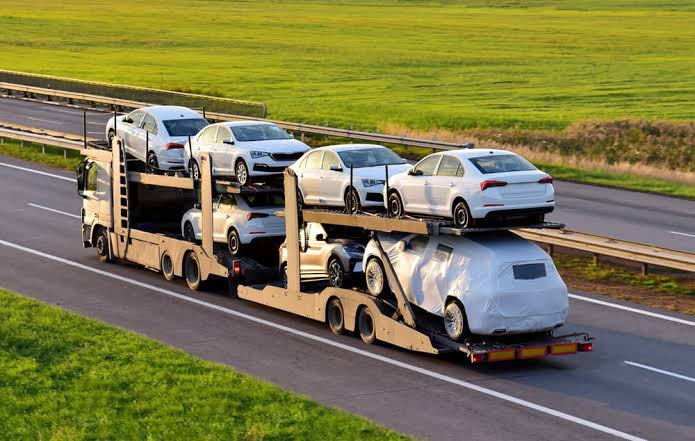
Car Shipping Myths in Canada
Car shipping has been around for decades, yet plenty of people still hold ideas about it that are out of date or just wrong. Some think it is only for the wealthy. Others assume it is risky, slow, or too complicated to bother with. These beliefs can lead owners to drive long distances they would rather avoid, or to make decisions based on rumours.
This guide sorts through the most common myths about moving a vehicle in Canada and explains what is actually true.
Myth: Car Shipping Is Only for Luxury Cars
Many people picture a gleaming sports car on an enclosed trailer and assume shipping is a service for collectors. In reality, most vehicles that get shipped are everyday cars, SUVs, and pickups. Families relocating, students heading to school, and workers taking new jobs make up a large share of shipments.
Luxury and classic cars do use specialized options, such as enclosed trailers, but those are choices, not requirements. A standard vehicle on an open carrier is the most common setup.
Myth: It Is Only Worth It for Cross-Country Moves
Long-distance moves are the obvious use case, but shorter trips can make sense too. Moving between nearby cities involves the same hassles of arranging a second driver, a ride home, and time off work. Toronto to London car shipping is a short haul of about three days, and plenty of people book it simply to avoid the extra trip.
The decision depends on your schedule, not just the distance. If a drive would cost you a day of work, plus a way home, shipping can be the simpler choice even on a short route.
Myth: My Car Will Be Damaged
Damage during shipping is the fear that holds many people back. Drivers handle vehicles every day, and most shipments arrive without any problems. Still, accidents can happen, as they can on any road or in any parking lot.
Protection comes from process. A condition report at pickup and delivery records the car’s state, and a professional shipper carries coverage for the vehicles in its care. Photographing your car before pickup and inspecting it at delivery give you the proof you would need in the unlikely event of a problem.
Myth: I Can Leave My Belongings Inside
It is tempting to treat the trunk as free moving space. Most shippers, however, ask you to remove personal items, and for good reason. Belongings can shift during loading, they add weight, and they are generally not covered by the shipper’s or your insurance.
Take valuables, documents, electronics, and loose items out before pickup. A clean, empty interior also makes the condition report simpler and speeds up the handoff.
Myth: A Car That Does Not Run Cannot Be Shipped
Non-running vehicles are shipped regularly. A project car, a vehicle waiting for repairs, or a recently inherited car can all be moved with the right equipment, such as a winch. The key is to tell the shipper in advance so they can plan.
Read More: Engine failure at 168,000 miles: rebuild, replace or walk away?
Hiding the problem causes delays. If the driver arrives expecting a running car and finds one that will not start, the pickup can be cancelled or rescheduled. Being honest at the booking stage saves time and avoids extra charges.
Myth: The Cheapest Quote Is the Best Deal
Price matters, but a very low quote can be a warning sign. Some companies advertise low numbers and then adjust the price later, or struggle to find a truck at the quoted rate. The result is a delay or a higher bill than you expected.
Compare quotes carefully, ask what is included, and check whether the price is firm. A reasonable price from a company that explains its process clearly is usually a better choice than the lowest number on the page.
Myth: Shipping Takes Weeks
Transit time depends on distance, and it is shorter than many people expect. Short routes can finish in a day or two, while cross-country trips typically take about a week. Ottawa to Calgary car shipping, for example, takes about six to nine days, which is far less than most people picture.
Weather and scheduling can add time, especially in winter, but a well-planned shipment rarely stretches into weeks. Booking early and asking for a delivery window helps you stay ahead of delays.
Myth: Door-to-Door Means the Truck Parks at My Exact Door
Door-to-door service delivers to your address or as close as a large truck can safely get. That is not always the front door. Narrow streets, condo rules, and tight driveways can prevent a car carrier from stopping in front of a building.
In those cases, the driver will suggest a nearby wide road or parking lot. Knowing this in advance prevents surprises. Tell the shipper about any access issues when you book, and be ready to meet the driver at an agreed spot.
Myth: I Have to Be There the Whole Time
You do not need to wait around for hours. You do need to be available at pickup and delivery, or to send someone you trust. That person can sign the condition report and hand over the keys, as long as they know what to look for.
Read More: Why CEAT SportDrive Calm is Better Than many other brands for Luxury Sportscars
Between those moments, the car is on the truck and your involvement is minimal. Many people ship a car while they are on a flight or already at their new home.
Myth: Booking at the Last Minute Is Fine
Some routes have plenty of trucks, and last-minute pickups are sometimes possible. But the best dates fill up, especially in summer, in late August, and around holidays. Waiting until the last minute narrows your choices and often raises stress.
Booking two to three weeks ahead is a good habit for most routes. For long trips such as car shipping in Alberta from the east, earlier is better, particularly if your date is fixed.
Separating Fact From Habit
Most of the worries around car shipping come from not knowing how it works. Once you understand the process, the decision is mostly practical: how far, how soon, and how much of your time the drive would take. Ask questions, compare quotes carefully, and prepare the car properly, and the experience is far smoother than the myths suggest.
Frequently Asked Questions
Is car shipping only for expensive vehicles?
No. Most shipments are ordinary cars, SUVs, and pickups moved by families, students, and workers. Luxury and classic cars simply tend to use specialized options.
Can I leave things in my car when it is shipped?
Generally not. Personal items are usually not covered and can shift during loading, so remove valuables and loose items before pickup.
Can a car that does not run be shipped?
Yes, with the right equipment. Tell the shipper in advance so they can plan, since a surprise at pickup can cause delays.
Do I need to be there for pickup and delivery?
You or someone you trust should be present to sign the condition report and hand over or receive the keys. You do not need to stay with the car in between.
Is the lowest quote always the best choice?
Not always. Check what is included and whether the price is firm, since a very low number can lead to delays or a higher final cost.
Leave a Reply
You must be logged in to post a comment.