
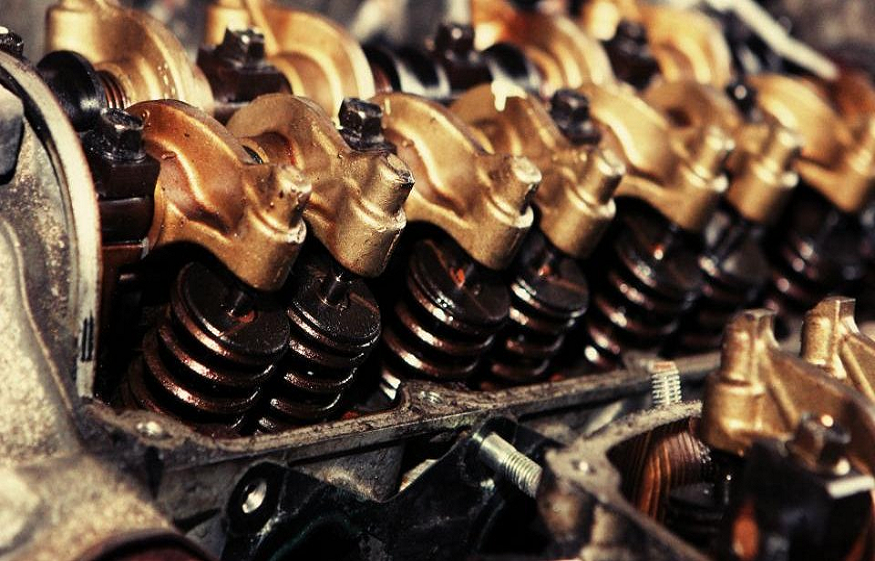
Engine failure at 168,000 miles: rebuild, replace or walk away?
Picture a 2012 Toyota Camry with 168,000 miles on it. The body is clean, the transmission shifts fine, the tires are new. Then the oil light flickers on a highway on-ramp, there is a knock that gets louder over the next ten miles, and by the time it reaches a shop the diagnosis is a spun rod bearing.
The owner now has three options and about a day to pick one. Rebuild the engine. Replace it with a used or remanufactured one. Or sell the car for scrap and start shopping. Most people make that call based on a single number from the service writer. That’s how good cars get junked and bad repairs get paid for.
Diagnose the failure before you price the fix
The mileage doesn’t tell you much. What failed, and how far the damage spread, tells you nearly everything.
A rod bearing failure sends metal through the oiling system. That debris reaches the other bearings, the oil pump, the cam journals and sometimes the turbo, if there is one. A head gasket failure is a different animal: if it was caught before the engine overheated badly, the bottom end may be fine. Ring wear causing oil consumption is slower and more predictable still.
Read More: Corporate Party Buses: Mobile Team Building, Networking, and Cost-Smart Group Travel
So before talking money, ask the shop three questions. Did they cut open the oil filter? Did they check compression or leak-down on every cylinder? And is there any sign of overheating, like a warped head or coolant in the oil? The answers sort the job into “repairable” or “replace the whole thing” faster than any price list.
Price a replacement engine properly
This is where the Camry owner from the opening has a real advantage. Toyota’s 2AZ-FE and 2AR-FE four-cylinders, like most mainstream Japanese engines, are available as used imports pulled from cars retired early in Japan. A quick search on a specialist site such as texasjdmmotors.com shows the pattern: engines listed by make, model and year, with recorded mileage under 65,000 and freight shipping to a shop anywhere in the lower 48 states. Swapping one of those in replaces a 168,000-mile engine with one that has a fraction of the wear, usually for less than a full rebuild.
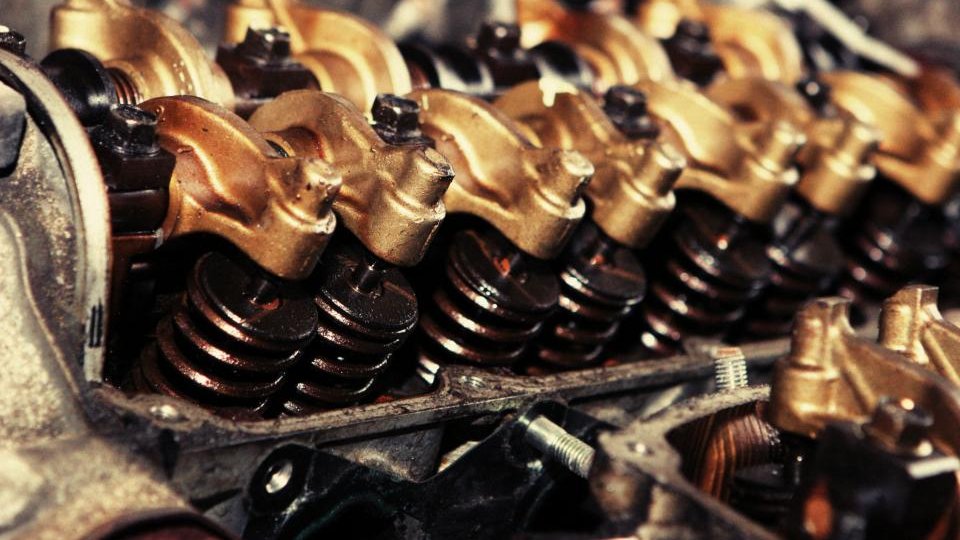
Remanufactured engines are the middle path. They cost more than a used import, but every wear part is new and the warranty is usually longer and valid nationwide. If you plan to keep the car for many more years, that warranty can be worth the premium.
Whichever way you go, get these in writing before money changes hands:
- The exact engine code, matched to your VIN, not just “fits a 2012 Camry.”
- Recorded mileage and, ideally, a compression result for each cylinder.
- What is included: intake, alternator, starter, wiring, sensors.
- Warranty length, whether labor is covered, and the return window.
Weigh a rebuild honestly
A rebuild makes sense when the block and crank are reusable and the damage is contained. You keep your engine, you know its history, and a good machinist can bring it back to spec.
The catch is labor and time. A proper rebuild means pulling the engine, sending parts to a machine shop, waiting, reassembling, and breaking it in. On a common four-cylinder, that can easily cost more than the car’s private-sale value, and the car may sit for a week or more. For a rare engine, a classic, or a performance build where you want specific parts inside, it is often still the right call. For a high-mileage commuter, it usually isn’t.
Replace the parts that killed the old engine
Here is the mistake shops see over and over. A fresh engine goes in, and the same problem that killed the first one starts on the second.
If the old engine died from oil starvation, find out why. A clogged oil cooler, a failing pressure sender, or simply a habit of stretching oil changes. If it overheated, replace the radiator, thermostat, water pump and hoses while everything is apart. Flush or replace the oil cooler lines. It adds a few hundred dollars. It protects the thousands you just spent.
Do the math against the car, not the engine
Finally, compare the repair with what the car is worth to you, which is not the same as what it would sell for. A paid-off sedan with a sound body and a good transmission is expensive to replace. The average new car now sells for over $50,000 according to Kelley Blue Book. Even a decent used replacement means taxes, fees and the risk of buying someone else’s problems.
Read More: Dubai Car Rental for Families: Best Cars for Your Vacation
For our Camry, the answer is fairly clear. Rod bearing failure with metal in the oil rules out a cheap repair, a rebuild costs more than the car is worth on paper, and a low-mileage replacement engine with a warranty buys several more years of driving for a fraction of what a new car costs. Not every case ends that way. But every case should be decided on the diagnosis, not the odometer.
Leave a Reply
You must be logged in to post a comment.